

 by
by Are you ready to embark on an exciting blogging journey, share your passion with the world, and potentially make money doing what you love? You’ve come to the right place! In this step-by-step guide on how to start a blog, we’ll walk you through the entire process of starting a blog in 2023, from choosing the perfect niche to monetizing and beyond.
With the right strategies, tools, and a little bit of patience, you’ll be well on your way to creating a successful blog that resonates with your target audience. It’s not hard (in fact, it can be a lot of fun) and you are already on the right path
In the following sections, we’ll dive into the essentials of how to start a blog, such as understanding the basics, selecting a niche, setting up your domain and hosting, setting up WordPress, crafting compelling content, promoting your new site, monetizing your efforts, and maintaining the backend for consistent growth. Let’s get started!
Key Takeaways
- Start your journey with the right steps and best practices.
- Align passion and profitability to turn passions into profits.
- Stay organized, measure success, promote and network for growth, and monetize for maximum potential.
Understanding the Basics of Blogging
A blog is a dynamic and engaging website where fresh content is regularly published in a casual and inviting style, making it a fantastic way to connect with readers and achieve your goals on your chosen blogging platform. People start their own blog using a self hosted WordPress blog for various reasons, such as:
- expressing themselves
- building relationships
- generating income
- acquiring new skills
What’s more, the possibilities of making money are endless! With the right steps and best practices, you can easily make over $3,000 per month from your blog.
Successful blogging hinges on planning a robust strategy before flipping the switch and going online. But don’t worry, you don’t need to be a great writer to excel in blogging. All you need is motivation and a basic understanding of search engine optimization (SEO) to increase your site’s visibility. In the following sections, we’ll guide you through the ten steps to start a blog, from picking your niche to monetizing your efforts.
Choosing the Perfect Niche for Your Blog
Selecting the right blog niche is essential to give your blog focus and help you plan content, design, and marketing. It also provides insight into how your audience will find you and how you can connect with others in your niche.
How do you pinpoint the perfect niche for your blog? A combination of market demand analysis and aligning your passion with profitability paves the way for long-term success and growth of your new project.

Analyzing Market Demand
You need to analyze market demand to determine if there’s a potential audience for your chosen niche and if it’s worth pursuing. Start by asking yourself two essential questions: is there a potential audience for your chosen niche, and is it worth pursuing? Conducting a competitive analysis can help you establish your brand and craft a distinct voice within the niche.
Keyword research is a valuable tool in this process, as it allows you to discover the monthly search volume and gain a better understanding of your audience. We love Semrush for our keyword research and would definitely recommend it to anyone starting out.
Leveraging monthly search volume (MSV) can provide an estimate of the searches for your keyword phrases, thereby boosting your chances of success in search engines. Here’s how you can use MSV to generate blog post ideas:
- Create a list of 5-10 keywords related to your blog’s niche.
- Use these keywords to brainstorm potential topics for blog posts.
- Craft content for your target audience with these keywords in mind.
Using MSV, you can ensure that your posts are targeted toward topics with a high search volume and will resonate with your audience.
Aligning Passion and Profitability
When choosing blog topics, it’s important to consider your passion and genuine interest in them. This enthusiasm is vital for your blogging success, as it keeps you motivated and engaged in the process on a daily basis. Reflect on the topics that people seek your expertise on for guidance. From travel to food, collecting stamps to SEO, your passion will show in the quality of the content you provide your growing community.
Opting for a niche that aligns with your passion and holds income potential can help turn your passion into profits.
Setting Up Your Blog: Domain and Hosting
With your niche decided the next steps involve setting up your blog, which includes choosing an effective domain name and a dependable hosting provider. Getting a free domain and web hosting at Bluehost is an excellent way to start a blog.
Opting for the right domain name and hosting provider contributes to a seamless user experience for your readers and lays the foundation for your success.
Picking an Effective Domain Name
Your domain name is the web address your visitors will need to enter to access your website, making it essential for them to find you. To pick an effective domain name, consider these tips: choose a name that is easy to recall and articulate, ask for opinions from your trusted circle, and use a domain name generator if necessary.
You can check the availability of your preferred domain names on Namecheap’s domain name checker.
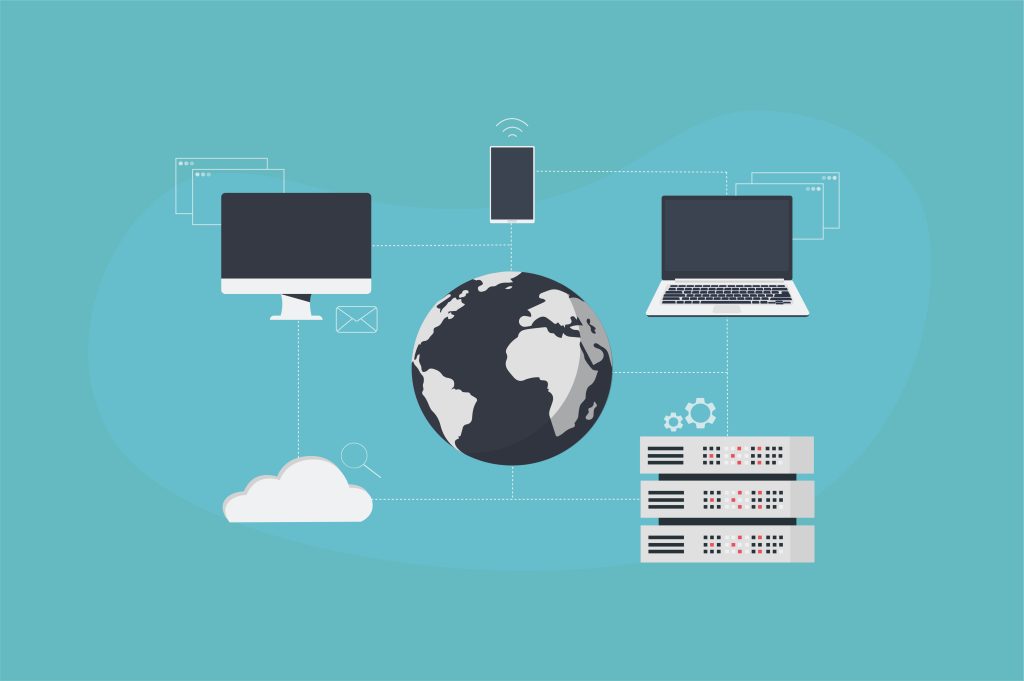
Selecting a Reliable Hosting Provider
Choosing a dependable hosting provider is pivotal to guaranteeing easy accessibility, security, and optimal performance for your blog readers. Bluehost offers a variety of hosting plan options, such as paying 1, 2, 3, or 5 years upfront. The Choice Plus plan is the most budget-friendly option, offering a free domain name and domain privacy for the first year.
With a reliable blog hosting provider like Bluehost, you can ensure your site’s success and growth.
Designing Your Blog with WordPress
Once your domain and hosting are set, the next step is to design your blog using WordPress, one of the world’s most popular blogging platforms. Also referred to as a content management system (CMS), WordPress offers many themes and customization options to help you create a visually appealing and user-friendly website and keep it regularly updated with fresh content.
In the following subsections, we’ll guide you through choosing the right theme and customizing your blog to match your brand and style.
WordPress Themes: Finding the Right Fit
To select a WordPress theme that perfectly fits your brand and style, follow these steps:
- Log into your WordPress admin and navigate to Appearance > Themes.
- Consider how the theme can help you create a great user experience, such as its simplicity, speed, and ease of navigation for readers.
- Browse through thousands of themes available.
- Make your selection.
Some great free WordPress themes for beginners include Kadence WP, Elementor, and Astra.
Customizing WordPress
Once you’ve chosen a theme for your blog, it’s time to customize your WordPress blog using plugins, widgets, and other design elements. By making your blog unique and engaging, you can create a better user experience for your readers and set your blog apart from the competition. Start by hitting the “Customize” button on your active theme to personalize your WordPress theme.
Some popular plugins that can enhance your blog with extra features or functionality include Yoast SEO for search engine optimization, WPForms for creating contact forms, and Akismet for spam protection. By customizing your WordPress setup with the right plugins and design elements, you can create a memorable and impactful online presence for your audience.
Crafting Compelling Blog Content
Now that your blog is set up and designed, it’s time to focus on crafting compelling content that resonates with your target audience. Your first blog post should be engaging, informative, and relevant to your niche, ensuring your readers find value in your posts and keep coming back.
In the next subsections, we’ll discuss content creation best practices and strategies for generating blog post ideas.

Content Creation Best Practices
The success of your blog hinges upon the creation of captivating content. Some best practices include:
- Writing compelling headlines to grab the reader’s attention
- Breaking up text into short paragraphs for easier reading
- Including visuals to keep readers interested and engaged
I think an irresistible blog post title ignites curiosity and entices clicks, so make sure to spend time crafting the perfect headline for your posts.
Another important aspect of content creation is the structure and organization of your blog posts. An effective way to keep your content organized is by writing an outline before diving into the actual writing process. This helps ensure you cover all the important points and include any necessary keywords for maximum impact.
Generating Blog Post Ideas
To keep your content fresh and engaging, you must generate new blog post ideas regularly. Here are some steps to help you get started:
- Research your niche.
- Analyze competitors.
- Use keyword research tools to identify popular topics.
- Understand your target audience’s preferences and pain points.
- Create content that resonates with your audience and keeps them coming back for more.
Don’t be afraid to get creative with your blog post ideas. Use various sources of inspiration, such as news articles, trending topics, or even your own experiences, to create unique and engaging content. Remember, the key to a successful blog is offering value to your readers, so always strive to create content that addresses their needs and interests.

Promoting Your Blog and Growing Your Audience
After creating compelling content, the next step is to promote your blog and expand your audience. The more people you can reach, the greater your chances of achieving your goals.
In the next subsections, we’ll discuss how social media marketing and networking with other bloggers can help you increase your blog’s visibility, drive traffic, and engage with your target audience.
Social Media Marketing
Social media marketing is a powerful tool to help promote your blog and connect with potential readers. By leveraging various social media platforms, such as:
- YouTube
You can share your content with a broader audience and drive more traffic to your blog. Optimize your social media profiles, use relevant hashtags, and engage with your audience through comments and direct messages to build trust and loyalty.
Don’t underestimate the power of social media advertising. By investing in paid ads on platforms like Facebook and Instagram, you can target specific audience segments and increase your blog’s reach even further. Experiment with different ad formats, targeting options, and budgets to find the most effective social media marketing strategy for your blog.

Networking with Other Bloggers
Networking with other bloggers in your niche is another excellent way to promote your blog and grow your audience. By building relationships and collaborating with other bloggers, you can gain exposure, share knowledge, and learn from one another’s experiences. Start by commenting on other sites, interacting with bloggers on social media, and sending them emails to introduce yourself and your website.
Collaborating on content, such as guest posts or joint webinars, can open the door to new audiences, boost readership of your blog, and enhance your credibility. Consider reaching out to influential members in your field and proposing collaboration ideas that benefit both parties. By networking with other bloggers and working together, you can grow your blog and reach new heights.
Monetizing Your Blog
With your blog gaining traction and growing, it might be time to explore monetization options for income generation. In this section, we’ll discuss three main ways to monetize your blog: affiliate marketing, sponsored content, and selling digital products. By diversifying your income streams and testing different monetization strategies, you can maximize your earning potential.
Affiliate Marketing Strategies
Affiliate marketing is an exciting way to make money blogging by promoting products and services related to your niche. By including affiliate links in your blog posts, you can earn a commission of around 5-30% of the product’s price when a visitor makes a purchase. To get started, join affiliate programs like Amazon Associates, ShareASale, and ClickBank, and start promoting products that align with your content and audience.
Craft content highlighting the product or service, leverage social media to spread the word about the product and utilize email marketing to connect with potential customers. Always disclose your affiliate relationships to your readers and focus on providing value rather than just pushing for sales. With the right strategies and genuine recommendations, affiliate marketing can become a significant source of income for your blog.
Sponsored Content Opportunities
Sponsored content is another way to monetize your blog by partnering with brands to create and promote content in exchange for payment or other benefits. To land sponsored content opportunities, build a considerable amount of readers and traffic to maximize your potential for success.
Ensure that your sponsored content still provides value to the reader and aligns with your blog’s niche and objectives.
Selling Digital Products
Selling digital products like e-books, online courses, or membership programs allows you to generate income directly from your blog’s audience. By offering valuable and relevant digital products that cater to your audience’s needs, you can establish yourself as an expert in your niche and build trust with your readers. Consider writing an e-book or creating an online course on a topic you’re passionate about and knowledgeable in.
To sell digital products on your blog, create a sales page highlighting the benefits and outcomes of your product and promote it through your posts, social media channels, and email marketing campaigns. Selling digital products can be a profitable and scalable way to monetize your blog while providing value to your audience.

Maintaining Your Blog: Consistency and Growth
As your blog expands, maintaining consistency and organization is key to sustaining growth and keeping your audience engaged. In this section, we’ll discuss the importance of developing an editorial calendar and measuring success to adapt your strategy for continued growth.
Developing an Editorial Calendar
An editorial calendar is a vital tool for planning and organizing blog content to meet your objectives. It helps you stay on track, ensuring a steady flow of ideas and a consistent posting schedule. Some popular editorial calendar tools include Trello, Monday, and Asana.
By developing an editorial calendar, you can plan and schedule your blog content more efficiently, ensuring consistency and organization in your blogging efforts.

Measuring Success and Adapting Your Strategy
Keeping track of your blog’s success is essential for tweaking your strategy and fostering continued growth. Some essential metrics to track include website traffic, user engagement (comments, shares, etc.), and conversions (email sign-ups, product sales, etc.). To gain deeper insights into your blog’s performance, set up a Google Analytics account and utilize data from Google Search Console and Bing Webmaster Tools.
By regularly monitoring your site’s performance and analyzing audience feedback, you can make the necessary adjustments to your strategy to keep growing. This could involve exploring different topics, altering the frequency of your blog posts, or trying out new types of content. Remember, the key to maintaining a successful blog is to stay consistent, organized, and focused on providing value to your audience.
Summary
Starting a blog in 2023 is an exciting and rewarding journey that allows you to share your passion with the world and potentially make money doing what you love. By following this step-by-step guide and implementing the strategies discussed, you’ll be well on your way to creating a successful blog that resonates with your target audience.
Remember, the key to a successful blog is consistency, organization, and providing value to your readers. Stay focused, adapt your strategy as needed, and never stop learning. Now it’s time to embark on your blogging journey and make your mark in the digital world.
Frequently Asked Questions
How can a beginner start blogging?
Beginners can start blogging by selecting a niche, choosing a platform, registering a domain name, finding hosting, setting up their site, creating social media accounts, and installing plugins for specific functions you’d like your blog to have. Once these steps are taken, you’ll need to brainstorm topics and create an editorial calendar – all before writing your first post!
How do bloggers get paid?
Bloggers can make money from advertisements, affiliate marketing, selling products, and providing services such as consulting or coaching. They can also earn income through brand partnerships, advertising networks, affiliate links and codes, digital and physical products, and membership programs.
How can I start a blog for free?
You can easily create a blog for free by signing up for a free blog platform like Wix, WordPress, Ghost, or Medium and choosing the design and layout you prefer. Once set up, simply write your first post and start sharing it with your friends.
How do I start a personal blog and make money?
Start a personal blog and make money by choosing a profitable niche, scaling your content, building a reputation, promoting and growing it, advertising, offering paid subscriptions, selling merchandise, e-books, and more, and becoming an affiliate.
How long does it take to start making money from a blog?
It typically takes around six months to start seeing a return on your blog investment, with success increasing with the effort you put in.


