
 by
by Discover vegetarian food blog ideas that cater to the rising vegan and vegetarian trends, from recipes to lifestyle tips.
The Rise of Vegetarian and Vegan Diets
As trends in food and lifestyle continue to evolve, there has been a significant rise in the popularity of vegetarian and vegan diets. This growth in interest presents an opportunity for bloggers to offer a range of vegetarian food blog ideas that can attract a dedicated audience.
Understanding the Vegetarian Lifestyle
The vegetarian lifestyle, characterized by the avoidance of meat and fish, is gaining momentum for a variety of reasons. Some adopt it for health benefits, while ethical or environmental motivations drive others. The vegetarian diet allows for a wide range of foods, making it a flexible choice that can accommodate different tastes and dietary needs.
As a blogger, exploring the vegetarian lifestyle from various angles can be a powerful way to engage readers. From sharing vegetarian recipes to discussing the latest research on the health benefits of a vegetarian diet, there are numerous potential topics to explore. You can also delve into lifestyle aspects, such as navigating social events as a vegetarian or tips for transitioning to a vegetarian diet. For more inspiration, check out our list of food blog content ideas.
The Increasing Popularity of Veganism
Veganism, which avoids all animal products, including dairy and eggs, is also on the rise. The reasons for adopting a vegan lifestyle are similar to those for vegetarianism, with additional emphasis on animal welfare. The vegan diet is more restrictive than the vegetarian diet, which can present challenges but also unique opportunities for interesting content.
As the popularity of veganism grows, so too does the demand for vegan-friendly content. From showcasing creative vegan substitutions to offering advice on maintaining proper nutrition on a vegan diet, there are countless vegetarian food blog ideas that can appeal to a vegan audience. You can also address common misconceptions about veganism, share success stories, or guide those considering the switch. For more ideas on this niche, take a look at our food blog niche ideas.
| Year | Number of Vegans (in millions) | Number of Vegetarians (in millions) |
|---|---|---|
| 2014 | 0.3 | 7.3 |
| 2017 | 1.6 | 8.0 |
| 2020 | 3.0 | 9.7 |
The rise of vegetarian and vegan diets provides a fertile ground for bloggers. Whether you’re a seasoned blogger looking to tap into a new audience or a newcomer searching for a niche, there are numerous opportunities to create compelling content within this space. Stay tuned to our blog for more tips and advice on successful food blogging, including food photography tips for bloggers and seasonal food blog ideas.

The Importance of Niche Blogging
Niche blogging has emerged as a powerful strategy for bloggers looking to establish a strong digital presence. By focusing on a specific area, bloggers can cater to a highly targeted audience, build credibility, and stand out in a crowded online space. This approach is particularly relevant when delving into the vast world of food blogging.
Exploring the Food Blogging Space
Food blogging is a dynamic and diverse domain, encompassing a wide range of topics from recipes, restaurant reviews, and nutrition advice to food photography. This makes it a highly competitive field, with countless bloggers vying for the attention of food enthusiasts worldwide.
Given the broad nature of the food blogging space, finding a unique angle can be challenging. This is where the idea of niche blogging comes into play. By honing in on a specific aspect of food, such as vegetarian food blog ideas, bloggers can differentiate themselves, target a specific audience, and create more personalized and relevant content.
The Power of Niche Content in Food Blogging
When a blog is too general, it may struggle to resonate with readers or rank in search engine results. However, a blog focusing on niche content, such as vegetarian or vegan recipes, can attract a loyal following of readers specifically interested in this type of content.
Creating niche content also allows bloggers to become authorities in their chosen field. For example, a blogger specializing in vegetarian cuisine can share unique recipes, explore vegan substitutes, review vegetarian restaurants, or provide educational content about plant-based nutrition. This level of specialization can make the blog a go-to resource for readers interested in vegetarian and vegan lifestyles.
Consider the following table illustrating potential niche areas within the food blogging space:
| General Food Blogging Topic | Potential Niche Areas |
|---|---|
| Recipes | Vegetarian recipes, Gluten-free recipes, Paleo recipes |
| Restaurant Reviews | Vegetarian restaurants, Farm-to-table restaurants, Ethical dining spots |
| Nutritional Advice | Plant-based nutrition, Superfoods, Balanced diet for vegans |
For more ideas on how to narrow down your food blog niche, you can refer to our article on food blog niche ideas.
While exploring the food blogging space can be overwhelming due to its vastness, the power of niche content cannot be understated. By focusing on specific vegetarian food blog ideas or other niche areas, bloggers can create targeted, relevant, and engaging content that resonates with their audience and positions them as authorities in their field.
Vegetarian Food Blog Ideas
As a blogger venturing into the realm of vegetarian cuisine, there are countless avenues for exploration. Here are three compelling vegetarian food blog ideas that can serve as inspiration and provide a wealth of content for your readers.
Recipe Development and Sharing
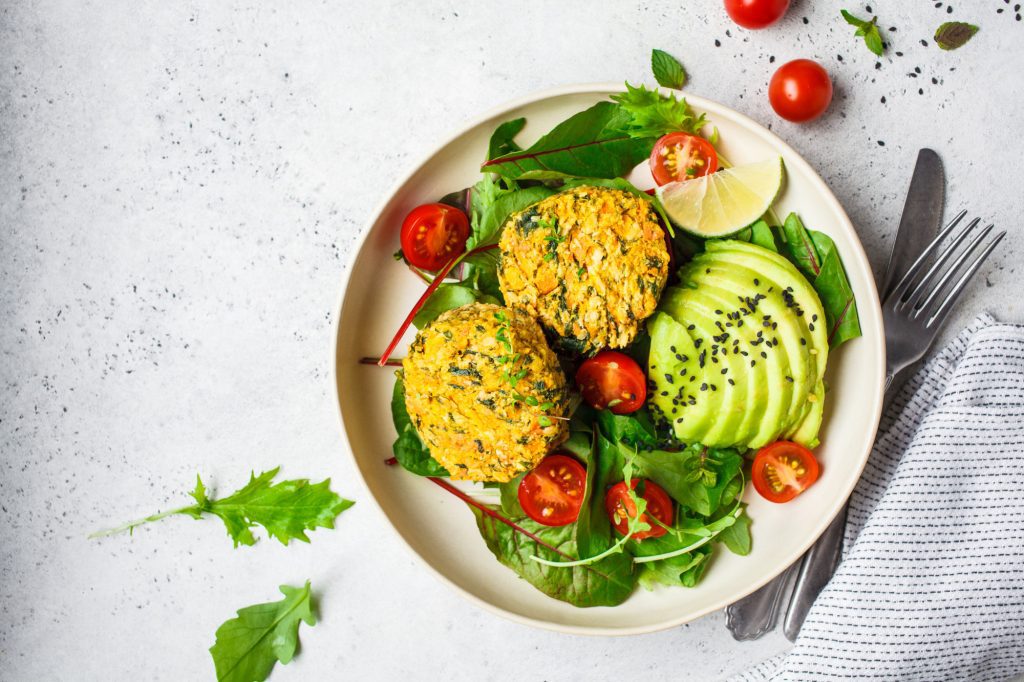
One of the cornerstones of any successful food blog is the development and sharing of unique recipes. As a vegetarian food blogger, you have the opportunity to showcase the diversity and richness of plant-based cuisine. From tasty appetizers to decadent desserts, there’s no end to the creative dishes you can devise.
When sharing your recipes, make sure to provide clear, step-by-step instructions and include high-quality, mouth-watering photos. You might also consider offering variations of your recipes to accommodate different dietary preferences and restrictions. For tips on capturing stunning food images, check out our article on food photography tips for bloggers.
Restaurant Reviews and Travel Guides
Another engaging idea for your vegetarian food blog is to provide restaurant reviews and travel guides. These can include local vegetarian and vegan establishments, as well as eateries around the world that offer exceptional plant-based options.
When writing your reviews, consider aspects such as the diversity of the menu, the quality of the food, the ambiance of the restaurant, and the service. For travel guides, you could share vegetarian-friendly destinations and the best places to eat. This type of content provides value to your readers and helps promote local businesses and tourism.
Nutritional Analysis and Education
Providing nutritional analysis and education is another powerful way to engage your audience. As a vegetarian blogger, you can help dispel myths about plant-based diets and provide evidence-based information about the nutritional benefits of vegetarian foods.
This could involve exploring different types of vegetarian diets, discussing the nutritional content of various plant-based foods, or debunking common misconceptions about vegetarian nutrition. Offering this type of content can position you as an authority in your niche and provide your readers with valuable insights to help them make informed dietary choices.
With these vegetarian food blog ideas, you can create engaging and informative content that caters to the growing interest in plant-based diets. Remember, the key to successful blogging is to stay true to your passion, keep up with trending food topics, and continually strive to provide value to your readers. Whether you decide to focus on recipe development, restaurant reviews, or nutritional education, there’s a world of opportunity waiting for you in the vegetarian food blogging space.
Vegan Food Blog Ideas
Exploring the vegan niche can open up a plethora of content opportunities. The following are some vegan food blog ideas that can help you connect with your audience, provide valuable content, and stand out in the food blogging space.
Vegan Alternatives and Substitutions
Focusing on vegan alternatives and substitutions is an excellent way to attract interest and provide valuable content. This can include creating content around vegan replacements for common animal-based ingredients, such as dairy, eggs, and meat.
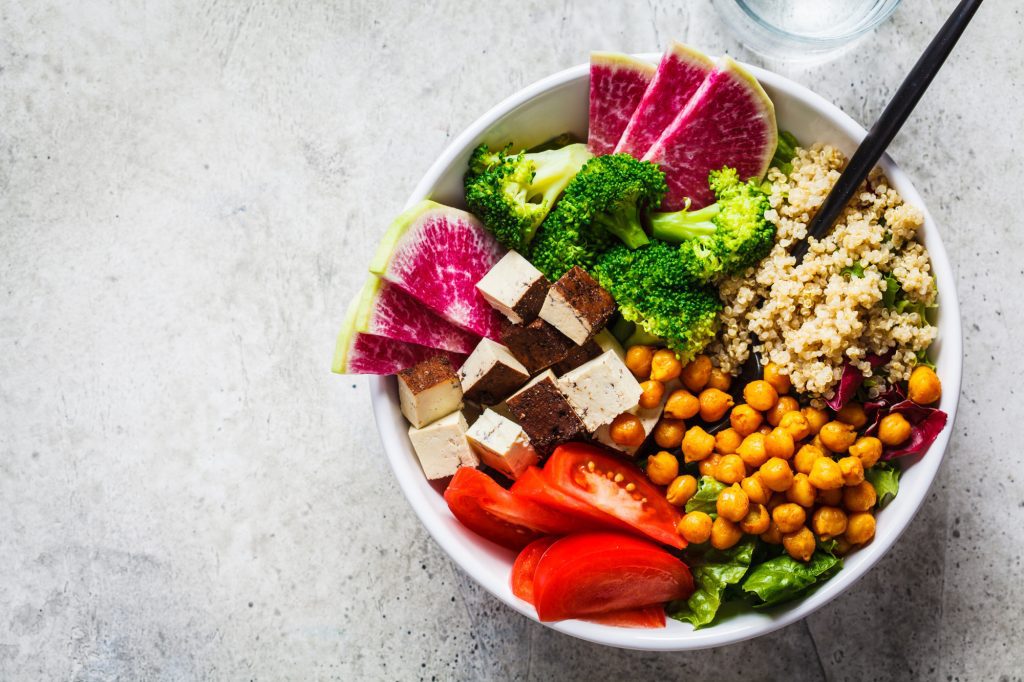
For example, you could share recipes that use tofu or tempeh as a protein source instead of meat or explore how to use flax seeds or applesauce as an egg substitute in baking. This type of content not only provides practical value for your vegan readers but can also intrigue those considering a vegan lifestyle.
Advocacy and Lifestyle Content
Another important aspect of veganism is the lifestyle and ethical considerations that come with it. You can create content that delves into these topics, advocating for animal rights, sustainable living, and the environmental impact of food choices.
This can be a powerful way to connect with your audience on a deeper level and help position your blog as a go-to resource for those interested in veganism’s ethical and lifestyle aspects. Just remember to base your advocacy content on credible sources and present information respectfully and clearly.
Plant-Based Nutrition Tips and Information
Given the unique dietary restrictions of a vegan diet, providing information and tips on plant-based nutrition can be a valuable content area. This could include discussing how to meet nutritional needs on a vegan diet, exploring different sources of plant-based protein, or debunking common myths about vegan nutrition.
This type of informational content can help your readers navigate their vegan journey more effectively and position your blog as a trusted source of information in the vegan community.
As a blogger, staying current with trending food topics can also help generate fresh content ideas and keep your blog relevant. Additionally, learning food photography tips for bloggers can enhance your blog’s visual appeal and engagement.
By focusing on these areas of content, you can create a vegan food blog that resonates with your audience, provides valuable content, and stands out in the increasingly popular vegan niche. Visit our guide on food blog niche ideas for more inspiration.
Tips for Successful Vegetarian and Vegan Blogging
Creating a successful blog in the vegetarian and vegan niche requires a strategic approach. Here are some key aspects to consider to make your content engaging and valuable.
Understanding Your Audience
The first step to creating compelling content is to understand your audience. Who are they? What are their dietary preferences? What information are they seeking? Understanding these aspects allows you to tailor your vegetarian food blog ideas to meet their needs.
For instance, if your audience primarily consists of new vegetarians, how-to guides, simple recipes, and tips for transitioning to a vegetarian lifestyle may be appreciated. On the other hand, if your audience is seasoned vegans, you might focus on advanced recipes, vegan lifestyle topics, and advocacy content.
Try to interact with your audience through comments, surveys, and social media to gain better insights into their preferences. This will help you to create personalized content that resonates with them.
Staying Current with Trends
Keeping up-to-date with current trends is crucial in the food blogging space. This includes awareness of new vegetarian and vegan products, recipe trends, and dietary research. By staying current, you can ensure your content is relevant and engaging. Check out our article on trending food topics for inspiration.
Moreover, consider incorporating seasonal produce in your recipes. This adds variety to your content and aligns with the sustainable eating philosophy that many vegetarians and vegans uphold. For more on this, visit our post on seasonal food blog ideas.
Ensuring Accuracy and Credibility
Accuracy and credibility are paramount when blogging, especially in niches like vegetarian and vegan food, where health and nutrition information is often shared. Always ensure your information is accurate, up-to-date, and grounded in reliable sources. Misinformation can damage your reputation and mislead your readers.
When sharing recipes, ensure they are tried and tested before posting. When discussing nutrition, reference credible sources and consider consulting with a registered dietitian or nutritionist for accuracy. If you’re reviewing vegan products or restaurants, be honest and transparent about your experiences and opinions.
Lastly, remember that every reader’s journey to vegetarianism or veganism is unique. Respect these differences and create a supportive and inclusive space for all your readers. For more tips on creating engaging content, visit our article on food blog content ideas.