

 by
by Master content marketing planning and take your blog to the next level. Utilizing an editorial calendar for your content marketing will increase the impact of your efforts and, make it much easier too!
Introduction to Content Marketing Planning
In the world of blogging, content marketing planning is a crucial element in driving success. It’s a strategic approach that involves creating and distributing valuable, relevant, and consistent content to attract and engage a defined audience.
What is Content Marketing Planning
Content marketing planning is the process of strategizing and organizing the creation and publication of online content. This process allows bloggers to streamline their content creation efforts, align their content with their audience’s needs, and achieve their marketing objectives more effectively.
A well-executed content marketing plan involves understanding the target audience, identifying key topics that resonate with them, and creating a schedule for producing and sharing content. This plan acts as a roadmap, guiding bloggers in creating content that connects with their audience and drives engagement.
A content marketing plan also allows bloggers to stay organized, manage their resources efficiently, and maintain a consistent content publishing schedule. For more insights on developing a compelling content creation strategy, check out our article on content creation strategy.
Why an Editorial Calendar is Crucial in Content Planning
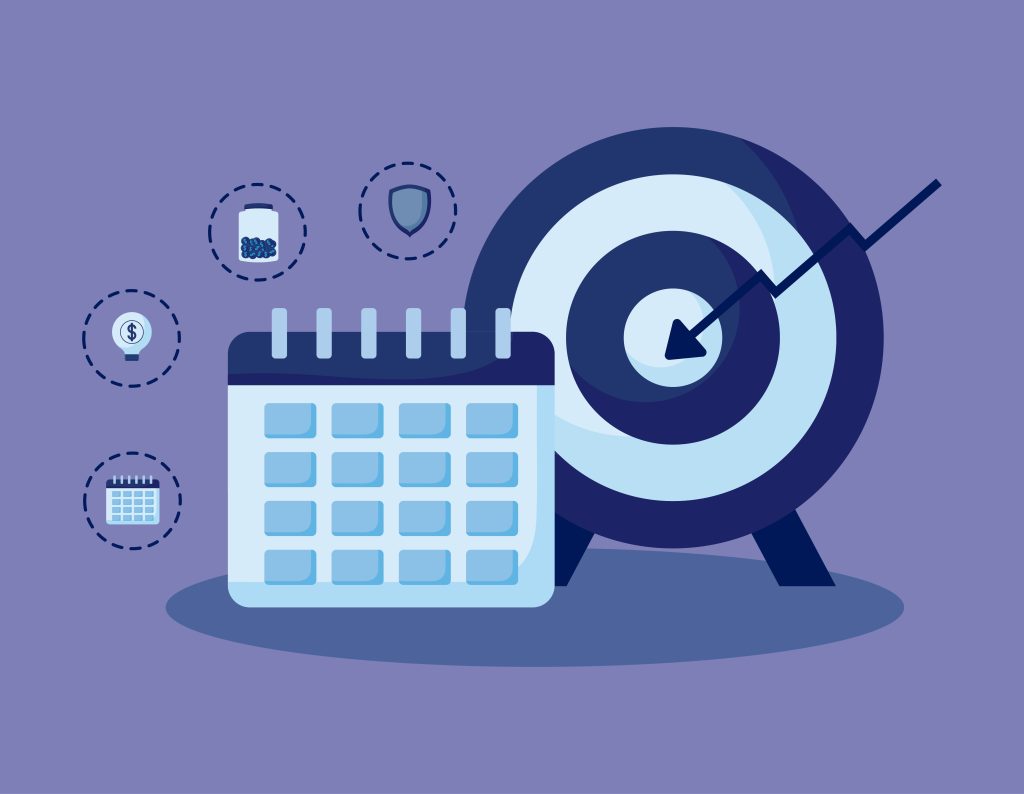
At the heart of any effective content marketing plan is an editorial calendar. An editorial calendar is a schedule that outlines the dates for publishing future content. It includes details such as the topic, format, and distribution channel for each piece of content.
Having an editorial calendar is crucial for several reasons:
- Consistency: An editorial calendar ensures content is consistently published, keeping readers engaged and returning for more.
- Organization: It keeps all content ideas and plans in one place, helping bloggers stay organized and on track.
- Strategic Planning: An editorial calendar allows bloggers to plan their content around key dates or events, ensuring it is relevant and timely.
- Team Collaboration: For bloggers who work with a team, an editorial calendar facilitates better collaboration and coordination among team members.
- Performance Tracking: By keeping track of what content has been published and when an editorial calendar makes it easier to measure the success of different content pieces and adjust the content strategy as needed.
For more information on how to create and use an editorial calendar, consider checking out our editorial calendar template and editorial calendar examples.
With content marketing planning, the importance of an editorial calendar cannot be overstated. It’s a powerful tool that can help bloggers produce high-quality content that resonates with their audience, drives engagement, and achieves their marketing goals.
Setting Up Your Editorial Calendar
An editorial calendar is a powerful tool that can streamline your content marketing planning, helping you stay organized and aligned with your blogging goals. To make the most of this tool, let’s delve into the key elements of an effective editorial calendar and the steps needed to set one up.
Key Elements of an Effective Editorial Calendar
An effective editorial calendar should be comprehensive, adaptable, and easy to use. Here are some essential elements that should be included in your calendar:
- Content Ideas: This is where you list all your prospective blog topics.
- Content Type: Specify whether each piece of content is a blog post, video, infographic, etc.
- Content Status: Keep track of where each piece is in the creation process (i.e., idea, in progress, completed, scheduled, published).
- Publish Date: The planned date for each content piece to go live on your blog.
- Author/Creator: The person responsible for creating each content piece.
- Keywords: The targeted SEO keywords for each content piece.
- Call-to-Action: The specific action you want your audience to take after consuming each piece of content.
- Distribution Channels: Where each piece of content will be shared or promoted (social media, email newsletter, etc.).
For more on what an editorial calendar can look like, browse through these editorial calendar examples.
Steps to Set Up Your Editorial Calendar
Setting up your editorial calendar involves several steps:
- Identify Your Content Needs: Understand what kind of content resonates with your audience. This will influence the topics you cover and the types of content you produce.
- Determine Your Content Frequency: Decide how often you will post new content on your blog. Depending on your resources and audience’s needs, this could be daily, weekly, or monthly.
- Gather Content Ideas: Brainstorm a list of potential topics and content ideas. These should be aligned with your blog’s theme and your audience’s interests.
- Assign Creation and Publishing Dates: For each content idea, assign a creation date and a publishing date. This keeps you on track and ensures a steady flow of content.
- Input Content Ideas into Your Editorial Calendar: Add all the gathered information to your editorial calendar. You can use a spreadsheet or an editorial calendar template for this.
- Review and Update Regularly: Regularly review your calendar and make updates as necessary. This keeps your content strategy flexible and adaptable.
Remember, an editorial calendar is not meant to be rigid – it should evolve as your blog grows and changes. The goal is to have a roadmap that guides your content marketing planning while leaving room for flexibility and creativity. For more tips on creating effective content, check out our guide on content creation strategy.
Strategies for Effective Content Planning
Once you’ve set up your editorial calendar, it’s time to focus on the key strategies for effective content marketing planning. These include understanding your audience, diversifying your content, and planning for SEO.

Understanding Your Audience
The first step in content planning is to understand your audience. Your content should be tailored to meet the needs, interests, and preferences of your target audience. This involves knowing your audience’s demographics, challenges, motivations, and content consumption habits.
Having a deep understanding of your audience will allow you to create content that resonates with them, engages them, and ultimately drives them to take the desired action. Utilize analytics tools to gather data about your audience and use this information to inform your content creation strategy. For more detailed insights on shaping a content strategy, consider our article on content creation strategy.
Diversifying Your Content
Diversifying your content is another crucial strategy in content planning. Variety is essential in keeping your audience engaged and interested. This could involve mixing up your content formats – from blog posts and articles to infographics, podcasts, and videos.
Additionally, diversifying your content topics can help cater to different segments of your audience. For instance, if your blog is about personal finance, you could cover a wide range of topics, from budgeting and investing to retirement planning and tax advice.
Remember, while diversification is important, it’s equally crucial to maintain consistency in the quality of your content. Striking a balance between quantity and quality can be challenging but crucial in keeping your audience’s interest and trust.
Planning for SEO
SEO, or Search Engine Optimization, is a key factor to consider in content planning. When you plan your content with SEO in mind, you increase the chances of your content being discovered by your target audience through search engines.
Here are some SEO considerations to keep in mind during content planning:
- Keyword Research: Identify relevant keywords your target audience is searching for and incorporate these into your content.
- Content Quality: High-quality content is favored by search engines and is more likely to rank higher in search results.
- Backlinks: Incorporating internal and external links can boost your SEO. Internal links help search engines understand your site’s content, while quality external links can improve your site’s authority.
- Meta Descriptions and Title Tags: These should be compelling and include your target keywords as they appear in search engine results.
For a thorough understanding of how to integrate SEO into your content creation, our article on content creation for SEO can provide a comprehensive guide.
By incorporating these strategies into your content marketing planning, you can ensure that your content is relevant, engaging, and discoverable, paving the way for a successful blog.
Maintaining and Updating Your Editorial Calendar
Once you have set up your editorial calendar, one of the crucial aspects of content marketing planning is the regular maintenance and updating of this tool. The dynamic nature of the online content landscape requires bloggers to be adaptable and responsive to changes and trends.
Regular Review and Update
An effective editorial calendar is not a set-and-forget tool; it requires regular review and updates. Bloggers should take the time to assess the performance of their past content and adjust their future content plans accordingly. This could involve tweaking topics, adjusting publishing times, or re-evaluating keyword strategies.
| Reviewing Element | Actions |
| Content Performance | Analyze the performance of previous posts. Identify which topics resonated most with the audience. |
| Publishing Times | Assess if the time and day of publishing impacts engagement and visibility. |
| Keyword Strategies | Review the effectiveness of your keyword strategy. Adjust if needed to align with SEO best practices. |
Remember, the key to an effective editorial calendar is flexibility. Changes should be made according to the blog’s performance and the audience’s needs. Refer to our editorial calendar template for a structured approach to content planning.
Adapting to Changes and Trends
Another critical aspect of maintaining an editorial calendar is adapting to changes and emerging trends in the content world. This could involve incorporating new types of content, adjusting the content’s tone or style to meet the audience’s changing preferences, or exploring new topics of interest.
| Adapting Element | Actions |
| New Content Types | Experiment with different content formats such as infographics, videos, or podcasts. |
| Tone or Style | Adjust the tone or style according to the evolving preferences of the audience. |
| Emerging Topics | Keep an eye on industry trends and current events to incorporate relevant topics. |
Staying updated with the latest trends can help bloggers create content that is fresh, relevant, and engaging. Check out our article on content creation strategy for more tips on creating engaging content.
Remember, content marketing planning is an ongoing process. Constantly reviewing and adapting your editorial calendar will help you stay on top of your game and ensure that your content remains relevant and engaging for your audience.
Tips and Techniques to Maximize Your Content Marketing Planning
Effective content marketing planning involves a thoughtful balance between quality and quantity, the strategic use of analytics, and a consistent publishing schedule. Here are some tips and techniques to help bloggers maximize their content planning efforts.

Balancing Quantity and Quality
In the world of blogging, there’s often a debate about whether it’s better to focus on producing a high quantity of content or to aim for fewer, high-quality posts. The key to successful content marketing planning is to strike a balance between the two.
Producing a high quantity of content can increase your visibility and provide more opportunities for your audience to engage with your blog. However, if the quality of your content suffers, it may not resonate with your audience or meet their needs.
On the other hand, producing fewer, high-quality posts can help establish your blog as a trusted resource and attract a loyal audience. But, it may take longer to build up a substantial library of content.
The best approach is to aim for a consistent publishing schedule of high-quality content. Not only will this keep your blog fresh and relevant, but it will also help to build a strong connection with your audience.
Utilizing Analytics for Content Planning
Analytics can provide valuable insights that can guide your content marketing planning. By analyzing your blog’s performance data, you can identify what types of content resonate most with your audience, which topics generate the most engagement, and when the best times to post are.
Consider the following metrics when planning your content:
- Page views: This metric shows the total number of views a specific post has received. High page views indicate that a topic is of interest to your audience.
- Engagement rate: This includes metrics like comments, shares, and likes. High engagement suggests that your content is resonating with your audience.
- Bounce rate: This shows the percentage of visitors who leave your blog after viewing only one page. A high bounce rate may indicate that your content isn’t meeting your audience’s needs or expectations.
By leveraging these insights, you can refine your content strategy and make more informed decisions about what to include in your editorial calendar.
Ensuring Consistency in Publishing
Maintaining a consistent publishing schedule is vital in content marketing planning. Consistency not only helps to build an engaged and loyal audience, but it can also improve your blog’s SEO ranking.
To ensure consistency:
- Plan ahead: Use an editorial calendar to schedule your posts in advance. This can help you stay organized and ensure you always have fresh content ready to publish.
- Set realistic goals: Consider your resources and capacity when setting your publishing schedule. It’s better to commit to a schedule you can maintain than to aim for a high frequency that you can’t sustain.
- Batch your content creation: Create multiple posts at once and schedule them to be published at a later date. This can help to reduce stress and free up time for other tasks.
By implementing these tips and techniques, bloggers can maximize their content marketing planning efforts and create a successful and sustainable content strategy. For more insights on content creation and planning, check out our guide on content creation strategy.


