

 by
Ready to make 2023 a breakthrough year for your blogging journey? Buckle up because we’re about to share 19 essential new blogger tips for success that can help you stand out in a crowded digital world. From finding your niche to mastering SEO, these tips will provide a step-by-step roadmap for new bloggers and experienced bloggers alike. Let’s dive in and unlock the secrets to a successful blog!
Key Takeaways
Choose the right platform, define your niche & target audience, and find your passion to create successful blog content.
Utilize SEO techniques such as keyword research & on-page optimization for maximum reach.
Stay authentic with compelling headlines visuals/multimedia content and prioritize readability for an engaging user experience.
Choosing the Right Blogging Platform
Your blogging journey commences with the selection of an appropriate blogging platform. Your platform will serve as the foundation for your blog, so it’s essential to find one that meets your needs and budget. Some popular options include WordPress, Wix, and Squarespace, each offering unique features and benefits.
A self-hosted site should be your choice if you desire full customization and control. Going self-hosted opens up a world of possibilities for your own blog, allowing you to:
Customize and control every aspect of your website.
Install custom themes and plugins.
Monetize your blog with ads and sponsored content.
Have complete ownership and control over your content and data.
Remember, these essential blog success tips, such as picking a fast-loading WordPress theme, will not only influence the look of your blog but also improve the user experience. Additionally, don’t underestimate the power of plugins, as they can unlock a world of exciting possibilities that can contribute to a successful blog.
Ultimately, your personal preferences and goals will guide your choice. Invest time in exploring your options to master these blogging tips.

Defining Your Niche and Target Audience
Defining your niche and target audience is integral to launching a successful blog. Finding your topic and audience is the perfect place to begin your blogging journey. By focusing on a subject you’re passionate about, you’ll stay motivated and create content that resonates with your readers.
This section outlines the process of identifying your passion and researching your target market, key steps towards sustainable blogging success.
Finding Your Passion
When choosing a niche, focus on an area you’re passionate and knowledgeable about – something that genuinely excites you. This passion will drive you to create engaging content for your audience and help you stay committed to your blog.
Remember that your zeal will be evident in each blog post, enhancing your readers’ enjoyment of your content.
Researching Your Target Market
Grasping your target market is vital in crafting content that appeals to your audience. By researching the needs, interests, and pain points of your target audience, you’ll be able to craft content that is both relevant and valuable to them.
Start by creating a reader persona that outlines their:
Demographics
Job
Ambitions
Difficulties they face regularly
This persona will be the foundation for all your content, ensuring it aligns with your audience’s needs and preferences.
Additionally, empathize with your audience to gain valuable insight into their wants and needs. Engage in online communities like Facebook groups to better understand your target audience’s preferences and challenges. By doing so, you’ll be able to create content that truly respects their needs, provides them with helpful information, and puts their needs first.
Creating a Content Strategy
Formulating a blogging strategy is a key step towards establishing a prosperous blog. This strategy will guide your content creation process, ensuring you produce high-quality blog posts that attract and engage your target audience.
This part delves into setting goals, planning topics, and conducting keyword research – all instrumental in creating content that appeals to your readers and boosts your blog traffic.

Setting Goals
Establishing goals for your blog is vital in monitoring your progress and realizing your desired outcomes. Setting SMART (Specific, Measurable, Achievable, Relevant, and Time-bound) goals gives you a clear path to follow and a better understanding of the steps required to reach those goals.
For example, you may set a goal to:
Generate a specific number of email subscribers.
Increase organic traffic to your blog by a certain percentage.
Achieve a certain number of social media followers.
Increase engagement on your blog posts.
By setting clear, actionable goals, you’ll be better equipped to measure your blog’s success and make necessary adjustments along the way.
Planning Topics and Keywords
Planning topics and conducting keyword research are indispensable in creating captivating blog posts. Here’s a step-by-step guide to help you get started:
Brainstorm topic ideas relevant to your niche and audience.
Research competing blogs and stay on top of current events to identify popular subjects in your niche.
Use tools like Google Trends to explore trending topics further.
Once you have a list of topics, use keyword research tools like SEOSurfer to discover primary and related keywords.
Craft content that speaks directly to your audience by incorporating these keywords into your blog posts.
Following these steps, you can create engaging, SEO-friendly blog posts that resonate with your readers.
Remember, selecting the right keywords is crucial for optimizing your content and improving your search engine ranking. When conducting keyword research, analyze search volume, user intent, and competition to ensure you’re targeting the right audience and maximizing your blog’s visibility.
By planning topics and researching keywords, you can create valuable content that resonates with your target audience and drives traffic to your blog.
Crafting Compelling Blog Posts
Creating engaging blog posts forms the core of successful blogging. Quality content that engages and resonates with readers will keep them coming back for more. One way to ensure this is by carefully selecting relevant blog post topics that cater to your target audience.

Writing Engaging Headlines
A captivating headline is vital in attracting readers and encouraging them to peruse your post. To craft an effective headline, make it:
Concise
Relevant to the content
Include your target keywords
Use action words
Create a sense of urgency
Use numbers or lists to make your headlines more compelling and digestible
Don’t forget to use helpful tools like CoSchedule’s Headline Analyzer to help you craft the perfect headline.
Providing Value to Readers
Delivering value to your readers is fundamental in crafting content that appeals to them and maintains their interest. To create valuable content, focus on topics relevant to your audience and provide helpful information that can help them solve their problems. Break up your text with subheadings, bullet points, and numbered lists to make your content more visually appealing and easier to digest. Include examples, statistics, and actionable takeaways to make your points more impactful and memorable.
Incorporate various forms of media in your blog posts, such as images, videos, and infographics, to cater to different learning styles and preferences. By providing value through engaging content and visuals, you’ll foster a genuine connection with your audience and establish your blog as a go-to resource in your niche.
Building an Editorial Calendar
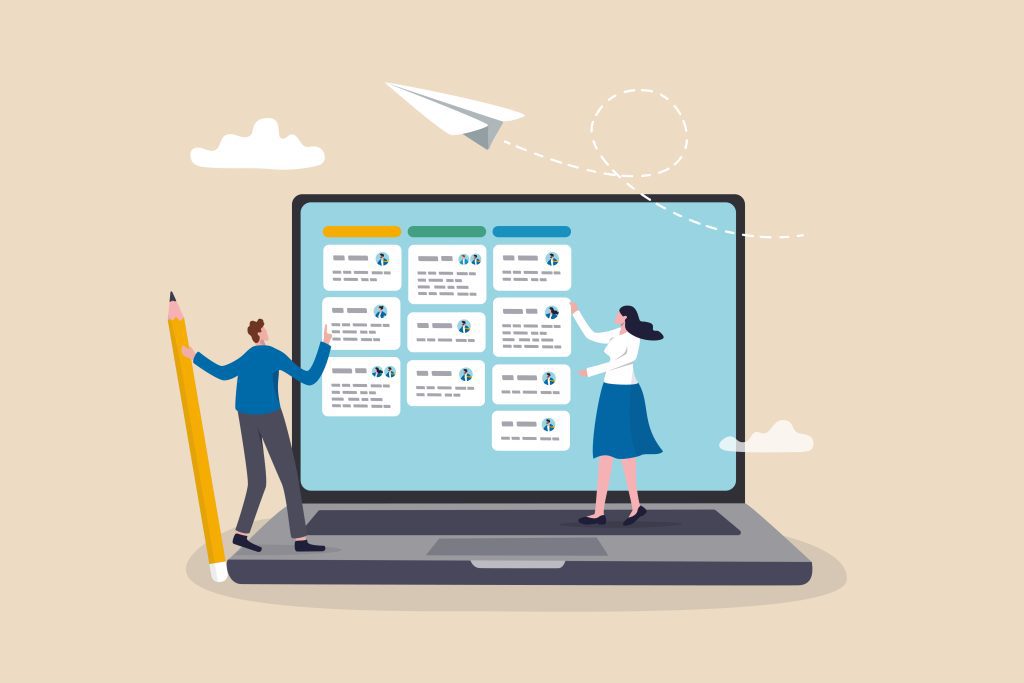
An editorial calendar is a priceless tool for scheduling and structuring your blog content. It helps you:
Maintain a consistent publishing schedule, ensuring you meet deadlines and stay accountable to your goals.
Plan your blog content, maximizing your productivity.
Demonstrate your blog’s authority in your industry
To create an efficient editorial calendar, break it down into columns. These should include:
Topic idea
Publishing date
Keyword
Progress status
This will ensure efficiency and effectiveness. Incorporate reminders to check on your articles after publication so you can keep track of updates and make necessary changes. Regular content audits can also help you identify areas for improvement and replicate successes.
Utilizing a blog editorial calendar will better equip you to handle your blog content and keep a close eye on your blogging objectives.
Utilizing SEO Techniques
Search engine optimization (SEO) is a critical element of prosperous blogging. SEO techniques can improve your blog’s visibility in search results and attract more organic traffic.
This part addresses the significance of keyword research and on-page optimization, integral components of a robust SEO strategy.
Keyword Research
Keyword research forms the foundation of SEO, assisting you in discovering precise words and phrases people use to search for information pertinent to your topic. By incorporating these keywords into your blog content, you can optimize your posts for maximum reach and engagement with the right audience.
Use tools like SEOSurfer to identify relevant keywords and gain insights into search volume, user intent, and competition. By conducting thorough keyword research, you’ll ensure that your content speaks directly to your audience and helps your blog rank higher in search engines.

On-Page Optimization
On-page optimization is a crucial component of SEO that involves optimizing various elements of your blog posts, such as headings, meta descriptions, and images, to improve your search engine ranking. Be sure to include relevant keywords in your title, headings, and throughout your content to make it easier for search engine crawlers to index and rank your posts.
In addition to keyword usage, consider other on-page optimization techniques, such as incorporating internal and external links, optimizing your images with alt text, and ensuring your content is easily readable and accessible. By focusing on on-page optimization, you’ll improve your blog’s visibility in search results and attract more organic traffic.
Promoting Your Blog on Social Media
Social media promotion of your blog serves as an effective method to boost traffic and broaden your reach. By sharing your content on various platforms, you can connect with new audiences and build relationships with your readers through social media marketing.
This part investigates the selection of suitable social media platforms for your content and effective audience engagement.
Choosing the Right Platforms
Choosing suitable social media platforms to promote your blog content is crucial in connecting with your target audience and optimizing your promotion efforts. To determine the best platforms for your content, consider your reader persona and their preferences.
For example, if your target audience is active on Instagram and Facebook, focus your efforts on these platforms to maximize your reach and engagement. By choosing the right platforms, you’ll ensure that your content is seen by those who are most likely to be interested in it.
Engaging with Your Audience
Audience engagement on social media is fundamental in establishing enduring relationships and nurturing a genuine bond with your readers. Here are some strategies to increase audience engagement:
Share your blog posts and other relevant content on your chosen platforms.
Don’t be afraid to ask your audience for their thoughts and opinions.
Actively participate in conversations and respond to comments. By implementing these strategies, you’ll show your audience that you value their input and are committed to providing valuable content.
In addition to engaging with your audience, consider collaborating with other bloggers and influencers in your niche. By partnering with others, you can tap into their audience and expand your reach further. Whether it’s through guest blogging, social media takeovers, or joint promotions, these collaborations can help amplify your blog’s presence and attract new readers to your content.

Networking with Other Bloggers
Connecting with other bloggers offers an excellent opportunity to gain from their experiences, work on joint projects, and broaden your reach. By connecting with others in your niche, you can gain valuable insights, exchange ideas, and support each other in your blogging efforts. Reach out to fellow bloggers through social media, online communities, or even in-person events to start building relationships and creating opportunities for collaboration.
In addition to learning blogger tips and tricks from other writers, networking can also lead to guest blogging opportunities, allowing you to share your expertise on another blog and attract new readers to your own site. By networking with other bloggers and collaborating on projects, you’ll not only grow your audience but also enhance your blog’s credibility and authority in your niche.
Monetizing Your Blog
Blog monetization offers a gratifying avenue to earn income while globally disseminating your passion and expertise. Various methods for monetizing a blog include affiliate marketing, sponsored content, and selling products or services. You can determine which strategies best align with your content and audience by exploring different monetization options.
While contemplating monetization, it’s vital to maintain authenticity and stay true to your voice. Focus on promoting products and services that genuinely resonate with your audience and provide value to them. By balancing monetization with the need to provide valuable content, you’ll ensure that your blog remains a trusted resource and continues to grow in both popularity and profitability.
Tracking and Analyzing Performance
Monitoring and assessing your blog’s performance is essential for pinpointing areas to enhance and replicate successful strategies. By tracking metrics such as page views, time on page, and engagement, you can gain insights into the success of your blog posts and adapt your content strategy accordingly. Tools like Google Analytics can provide valuable data on your blog’s performance, helping you make informed decisions about your content and promotion efforts.
In addition to tracking performance, don’t hesitate to seek feedback from your readers and peers. Honest feedback can help you identify areas for improvement, while positive feedback can validate your efforts and motivate you to continue striving for blogging success. By tracking and analyzing performance, you’ll be better equipped to adapt your strategies and consistently deliver valuable content that resonates with your audience.

Updating and Repurposing Old Content
Refreshing and repurposing old content is a savvy approach to ensure its relevancy and boost its search engine ranking. By revisiting your existing content and making necessary updates, you’ll ensure that your blog posts remain valuable and informative for your readers. This can also positively impact your blog’s SEO, as search engines favor fresh, up-to-date content.
To identify which blog posts require updating, consider conducting regular content audits. Assess the performance of each post and determine whether it needs to be refreshed or revised to maintain its relevance and appeal to your audience.
By updating and repurposing old content, you’ll improve its search engine ranking and maximize its potential to attract and engage readers.
Building an Email List
Establishing an email list is an integral part of prosperous blogging. By capturing your readers’ email addresses, you can:
Nurture relationships with your audience.
Keep them engaged with your content.
Send updates, promotions, and valuable insights directly to your readers.
Foster a sense of connection and loyalty.
To grow your email list, incorporate opt-in forms throughout your blog, such as in the sidebar, at the end of blog posts, or on a dedicated landing page. Offer incentives for readers to sign up, such as exclusive content, discounts, or access to a members-only area.
By prioritizing email list building, you’ll be able to maintain a direct line of communication with your readers and foster lasting relationships that contribute to your blog’s success.

Investing in Learning and Improvement
Investing in personal growth and blog improvement is vital for staying competitive and consistently boosting your blog’s quality. Here are some ways you can do that:
Take courses related to blogging and content creation.
Attend webinars and workshops to learn from industry experts.
Seek feedback from peers and mentors to improve your writing and blogging skills.
- Learn blog marketing tips from the best.
By taking these steps, you can expand your knowledge and sharpen your skills in all areas of blogging, making your blog site more effective and engaging.
Don’t be afraid to invest time and resources into your own growth and development. By staying up-to-date with the latest trends, technologies, and strategies, you’ll be better equipped to create valuable content and adapt to the ever-changing digital marketing landscape.
As you continue to learn and improve, you’ll enhance your blogging skills and contribute to your blog’s overall success.
Balancing Quality and Consistency
Maintaining a balance between quality and consistency is imperative for running a successful blog. While it’s important to create valuable content that resonates with your readers, it’s equally crucial to maintain a regular publishing schedule to keep your audience engaged and coming back for more. Finding the right balance between these two aspects can be challenging, but it’s critical to long-term blogging success.
To achieve this balance, consider using an editorial calendar to plan your content and ensure a consistent publishing schedule. At the same time, focus on creating high-quality content that provides value to your readers and reflects your passion and expertise. By balancing quality and consistency, you’ll be able to build a loyal audience and establish your blog as a go-to resource in your niche.

Utilizing Visuals and Multimedia
Incorporating visuals and multimedia in your blog posts can significantly uplift their appeal and cater to various learning styles and preferences. By incorporating:
Images
Videos
Infographics
Other forms of media
You can create a more engaging and dynamic reading experience for your audience.
When selecting visuals and multimedia, consider the following:
Choose high-quality images and custom graphics that complement your content and convey your message effectively.
Repurpose existing content into new formats, such as turning a blog post into an infographic or a video tutorial.
Incorporate diverse visuals and multimedia to captivate your readers and make your content more memorable and shareable.
Developing a Strong Linking Strategy
An effective linking strategy is vital for enhancing your blog’s credibility and SEO. By incorporating internal, external, and backlinks in your blog posts, you can demonstrate your expertise and help search engines understand the relevance and authority of your content. Internal links connect your blog posts to other relevant content on your site, encouraging readers to explore more of your content and improving your site’s structure. External links point to authoritative sources that support your content and help establish your credibility. Backlinks, however, are links from other websites to your content, signaling to search engines that your content is valuable and trustworthy.
To develop a strong linking strategy, focus on creating valuable, link-worthy content that others will want to reference and share. Reach out to other bloggers and influencers in your niche and explore collaboration opportunities to build relationships and earn backlinks.
By incorporating internal, external, and backlinks in your blog posts, you’ll improve your blog’s credibility and SEO, ultimately driving more organic traffic to your site.
Prioritizing Readability and User Experience
Placing a priority on readability and user experience is key to guaranteeing your blog is user-friendly and enjoyable. To create a positive user experience, focus on crafting easily digestible and visually appealing content. Break up large blocks of text with subheadings, bullet points, and numbered lists to make your content more scannable and easier to comprehend.
In addition to focusing on readability, ensure your blog is easy to navigate. Organize your content into clear categories and include a search function to help readers find the information they’re looking for quickly and easily. By prioritizing readability and user experience, you’ll create a blog that keeps readers engaged and encourages them to explore more of your content.

Handling Legal Aspects of Blogging
Addressing the legal facets of blogging is crucial for safeguarding your blog and its content. Ensure you have the necessary legal pages, such as a privacy policy, terms and conditions, and a disclaimer, to safeguard your blog from potential legal repercussions and financial penalties.
In addition to creating legal pages, be mindful of copyright laws when using images, quotes, or other content from external sources. Always cite your sources and obtain permission to use copyrighted material when necessary.
By handling the legal aspects of blogging responsibly, you’ll protect your blog, its content, and your reputation as a blogger.
Staying Authentic and True to Your Voice
Maintaining authenticity and staying true to your voice is vital for nurturing a real connection with your audience and ensuring your content reflects your personality and values. By writing content that aligns with your passions and interests, you’ll enjoy the blogging journey and create content that resonates with your readers.
To maintain your authenticity, here are some tips:
Avoid comparing yourself to other bloggers and focus on your unique strengths, experiences, and perspectives.
As you continue to grow and evolve as a blogger, stay true to your voice and the values that define your personal brand.
By staying authentic, you’ll build lasting relationships with your readers and establish your blog as a trusted and relatable resource in your niche.
Overcoming Common Blogging Challenges
Every blogger encounters challenges, but learning from others and persisting can aid you in overcoming these hurdles and attaining success. Some common challenges include maintaining consistency, managing time and resources, and keeping up with the latest trends and technologies. By seeking advice from experienced bloggers, attending webinars, and participating in online communities, you can gain valuable insights and strategies to overcome these challenges and continue growing your blog.
Remember, the key to overcoming blogging challenges is:
Adapting your strategies as needed
Staying committed to your goals
Persistence
Dedication
A willingness to learn
With these qualities, you can navigate the unpredictable world of blogging and achieve long-lasting success.
Summary
Becoming a successful blogger in 2023 requires a combination of passion, strategy, and adaptability. By following the 19 essential tips outlined in this article, you’ll be well on your way to creating a blog that stands out in a crowded digital landscape. Whether you’re a new or experienced blogger, these tips will help you stay focused, engage your audience, write better, and maximize your blog’s potential.
So, are you ready to embark on your blogging journey and make 2023 your most successful year yet? With the right tools, techniques, and mindset, there’s no limit to what you can achieve in the world of blogging. It’s time to embrace your passion, share your unique voice, and create content that truly resonates with your audience. Happy blogging!
Frequently Asked Questions
What tips would you give to a beginning blogger?
As a beginning blogger, focus on your blog’s foundation and niche, research your audience, draw inspiration from online sources, use keywords strategically in your posts, structure your blog by category, create an editorial calendar, and start with an outline before writing. Additionally, be honest, stay focused and dedicated, write daily, avoid grammar mistakes, and don’t copy content or be scared to link out.
How can I make $1,000 a month blogging? Give your best tip.
Make $1,000 a month blogging by focusing on finding a profitable niche, creating valuable content, promoting it and optimizing it with SEO, monetizing through affiliate programs, and selling advertising space. With dedication and hard work, you can realistically hit this goal within 6–12 months.